
Get Help - CLICK HERE for Technical Support, Parts Identification & Questions
SUPPORT
Chloromate replacement cells suit SP and EP series salt water chlorinators used in Australian swimming pools. The electrolytic salt cell is the core working component of a chlorination system, converting dissolved salt into free chlorine to maintain clean, sanitised and balanced pool water.
All salt chlorinator cells are consumable components. As electrolysis occurs, the coated titanium plates inside the cell gradually wear. Over time this reduces chlorine production, even if the chlorinator control unit continues operating normally. Replacing a worn Chloromate salt cell restores chlorine output and stabilises water quality.
This collection includes genuine compatible replacement cells for:
Select your exact SP or EP model below to order the correct replacement cell. Fast Australia-wide delivery available.
A Chloromate salt chlorinator generates chlorine through electrolysis. As salt water flows through the cell housing, a low-voltage current energises titanium plates coated with catalytic material. This chemical reaction converts sodium chloride into free chlorine, which sanitises the pool before reverting back to salt in a continuous cycle.
Because this reaction occurs every time the pump operates, the protective coating on the plates slowly degrades. This natural wear determines the service life of the salt cell.
Most Chloromate salt cells last between three and seven years depending on operating conditions. Lifespan is influenced by:
Incorrect water chemistry, especially high calcium hardness or low pH, accelerates plate degradation and reduces working life.
If the control unit powers on and water flow is normal, a replacement cell typically restores chlorine production without replacing the entire chlorinator.
Chloromate SP and EP series cells are model-specific and are not interchangeable. Each replacement cell must match the original chlorinator series and output rating. Always confirm the model number printed on your existing unit before ordering.
To maximise performance and extend cell lifespan, maintain the following pool balance ranges:
Only clean the cell when visible calcium scale is present. Excessive acid washing damages the catalytic coating and shortens service life.
In most cases, replacing the salt cell is significantly more cost-effective than replacing the entire chlorinator system. If the power supply, timer and flow components remain functional, installing a new Chloromate replacement cell restores full sanitation capability.
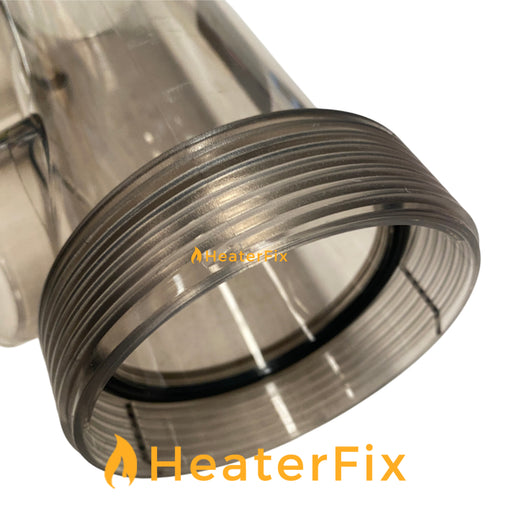
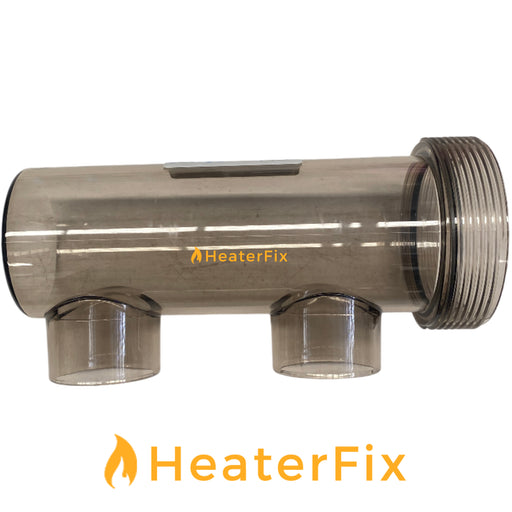
Looking for a Chloromate salt chlorinator cell housing for your EP or SP chlorinator? The suits the Profacture Chloromate EP and SP chlirinators. ...
View full details

Chloromate SP15 Replacement Cell The Chloromate SP15 Replacement Cell is designed for use with compatible Chloromate SP series salt water chlorinat...
View full details

Chloromate SP25 Replacement Cell The Chloromate SP25 Replacement Cell suits compatible Chloromate SP series salt water chlorinators. Over time, sal...
View full details

Chloromate SP35 Replacement Cell The Chloromate SP35 Replacement Cell is designed for use with compatible Chloromate SP series salt water chlorinat...
View full details

Chloromate SP45 Replacement Cell The Chloromate SP45 Replacement Cell suits compatible Chloromate SP series salt water chlorinators. Over time, nor...
View full details

Chloromate SP55 Replacement Cell The Chloromate SP55 Replacement Cell is designed for compatible Chloromate SP series salt water chlorinators. As a...
View full details

Chloromate EP15 Replacement Cell The Chloromate EP15 Replacement Cell is designed to suit compatible Chloromate EP series salt water chlorinators. ...
View full details

Chloromate EP25 Replacement Cell The Chloromate EP25 Replacement Cell is designed to suit compatible Chloromate EP series salt water chlorinators. ...
View full details

Chloromate EP35 Replacement Cell The Chloromate EP35 Replacement Cell suits compatible Chloromate EP series salt water chlorinators. As a cell ages...
View full details

Chloromate EP45 Replacement Cell The Chloromate EP45 Replacement Cell is designed for compatible Chloromate EP series salt water chlorinators. Salt...
View full details

Chloromate EP55 Replacement Cell The Chloromate EP55 Replacement Cell suits compatible Chloromate EP series salt water chlorinators. When a cell re...
View full details